
Nirvana
My final year project at ESMA Montpellier
About Nirvana
- Play as Ari, a young woman with movement-based abilities
- Fast-FPS / Bullet Hell set in mysterious temple
- Defeat Raj the temple chief and escape
- Software: Unreal engine 5.3
- Active Period: sept 2023 – July 2024
Task
- Design Metrics/3C/Weapon
- Design and build level blockout
- Design NPC pattern and movement
- Blueprint Scripting and gameplay events
- Dress room
- Debug and polish
Overview


Flow chart
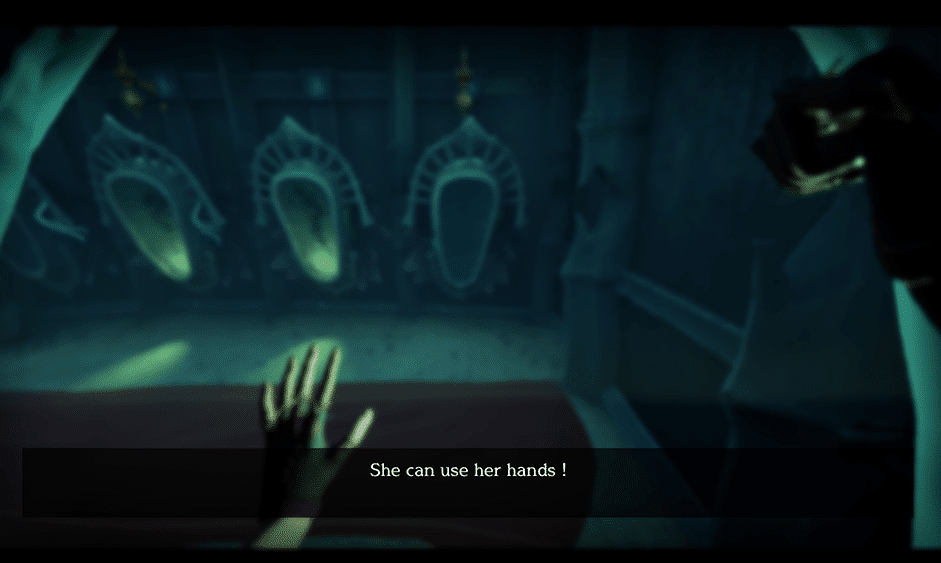
Awake

Tuto platformer
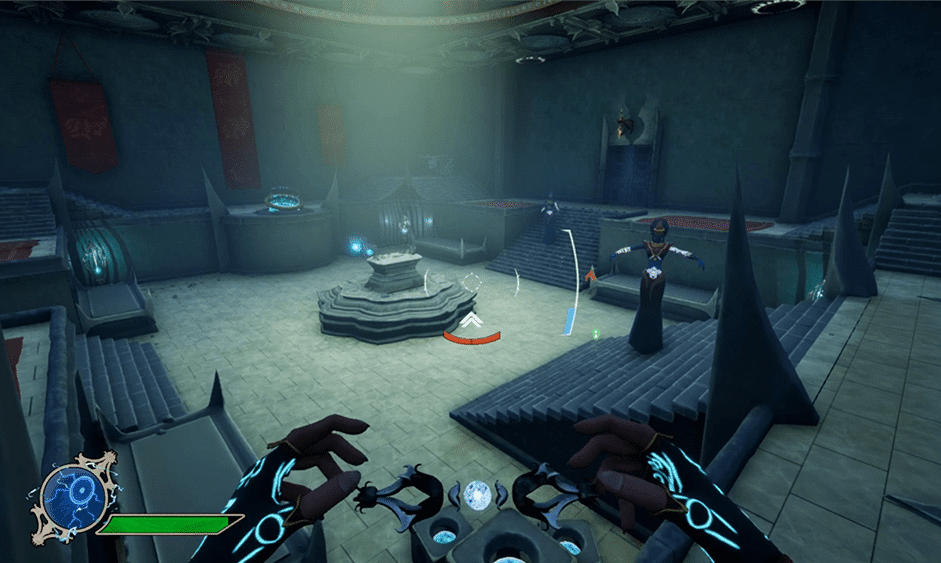
1st arena
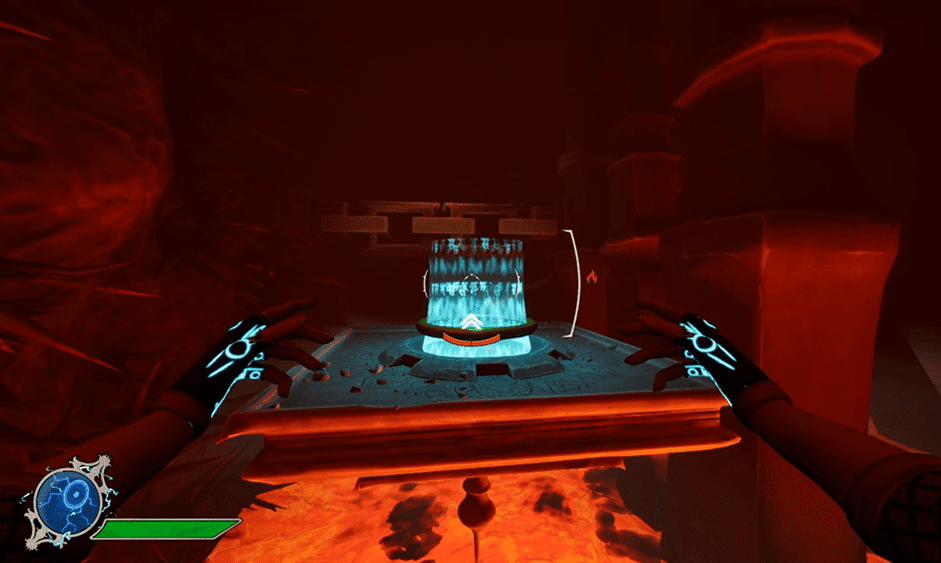
Platformer
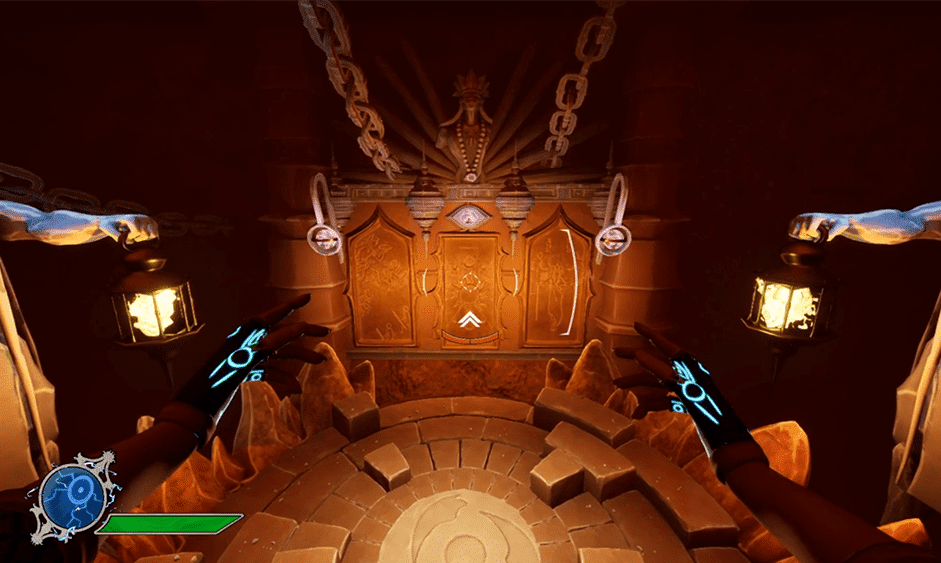
2nd arena
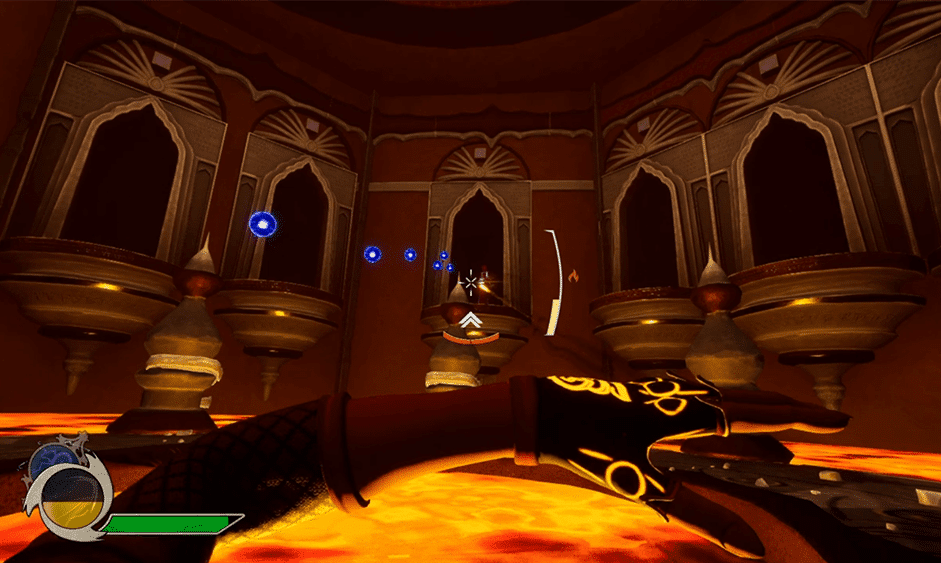
3th arena

Platformer
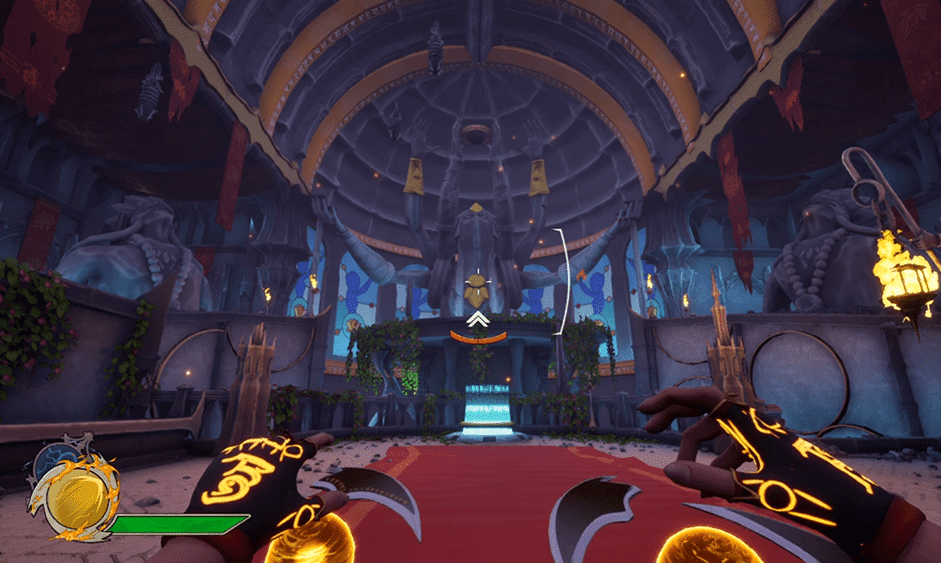
4th arena
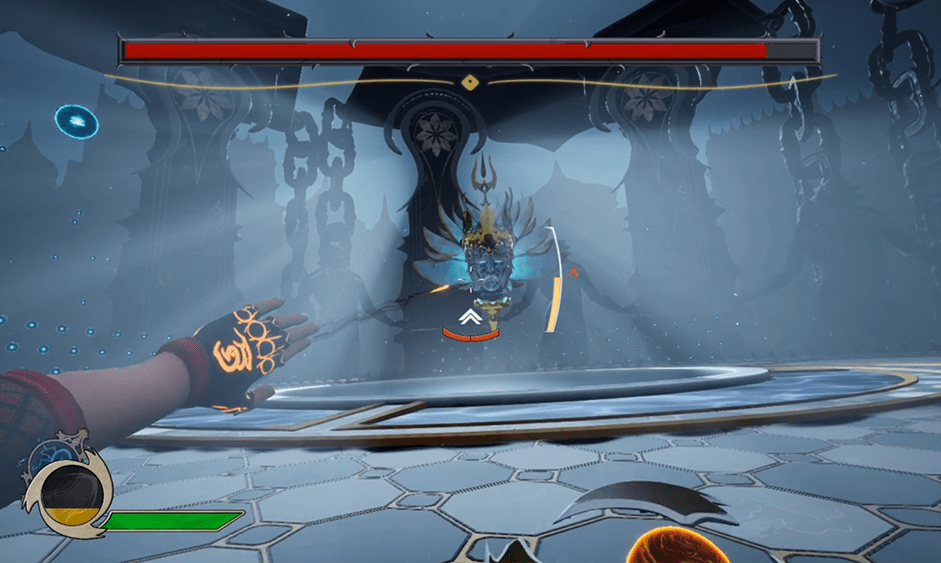
Boss fight

Narration: emotinal intensity refers to the narrative impact and the meaning of the rewards.
Platformer: mechanical intensity comes from the difficulty of platorming sections and the level of control required.
Arena: combat intensity is defined by the density and varieté of ennemies, and the complexity of the combat arenas.
Game design section
Enemy design
- I wanted the player’s movement to feel essential to the experience, so i designed ennemies around mobility.
- The Swarmer was created as a predator.
- The mid-range as prey.
- Each encounter tests a different aspect of movement, positioning, timing and control.
Weapon design
-
- I designed the weapons as answers to the enemies.
- Each enemy poses a question through it’s mechanics, and every weapon provides a different way to respond.
- This approach helped create a more connection between combat design and player choice.
Vajra
- The Vajra is the first weapon
- Short-range weapon
- Effective in close combat
Chakram
- The chakram is second unlocked
- Long-range weapon
- Effective at long range
Level design section
Naraka – Platforme
I designed the area with two gameplay sequences: platforming and combat.
• The platforming section challenges the player to fully use their movement skills.
• The combat arenas add variety — one focused on close-range fights, and another, more tutorial-like, hiding a secret arena underneath.
Platformer n°1
I designed the beginning of the level with a lava pit as a dead zone and narrow, spaced-out platforms.
My goal was to teach the player the limits of their movement metric.
• The layout forces the player to chain multiple jumps, a dash, and climbing
• This creates an intense introduction to the game’s core movement.


Wow effect
I designed the entrance of the second arena as a “wow moment” to make the arrival more impactful.
• It emphasizes the closed nature of the space and draws the player’s eye to the locked door ahead.


Naraka – Arena
The arena was built on a circular layout where each platform could be easily adjusted directly in the engine, allowing for fast iteration during production.
Arena n°1
• My goal was to create a compact space that encourages quick reactions and close combat.
• The circular design keeps the player constantly moving and reinforces the focus on melee encounters.
Arena n°2 – 2.5
In this arena, all enemies are placed on elevated platforms to make the Chakram essential to the fight.
• This setup serves as a tutorial phase for mastering the new weapon.
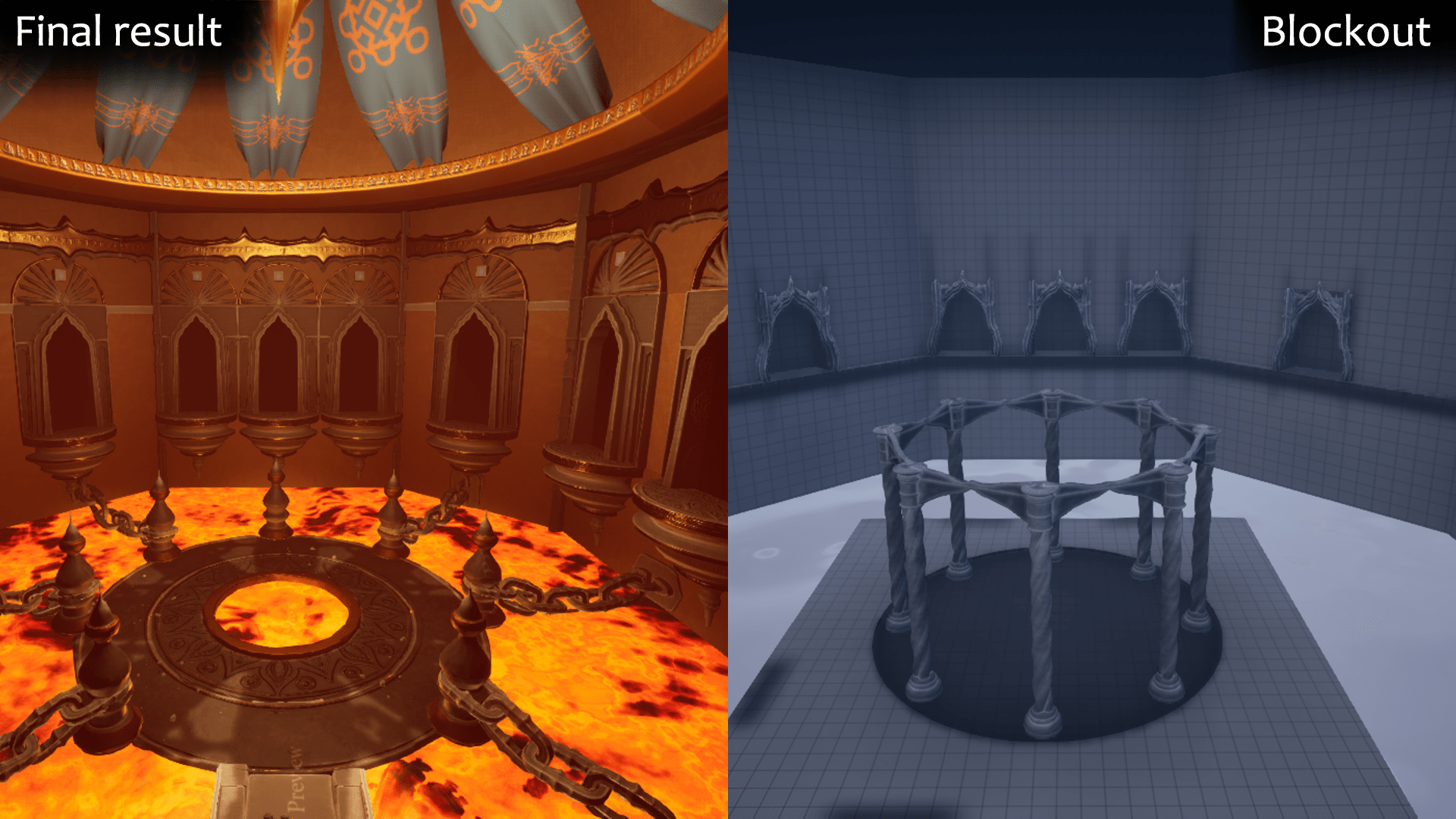
Early tests showed that central cover made the fight too easy, blocking most enemy shots.
• I reworked the layout by opening the center and moving cover to the edges, forcing constant movement and creating a more dynamic fight.
This arena mixes close and long-range combat.
• Dead zones in the center keep the player mobile, while offset structures make mid-range enemies less predictable and offer height for strategic positioning.
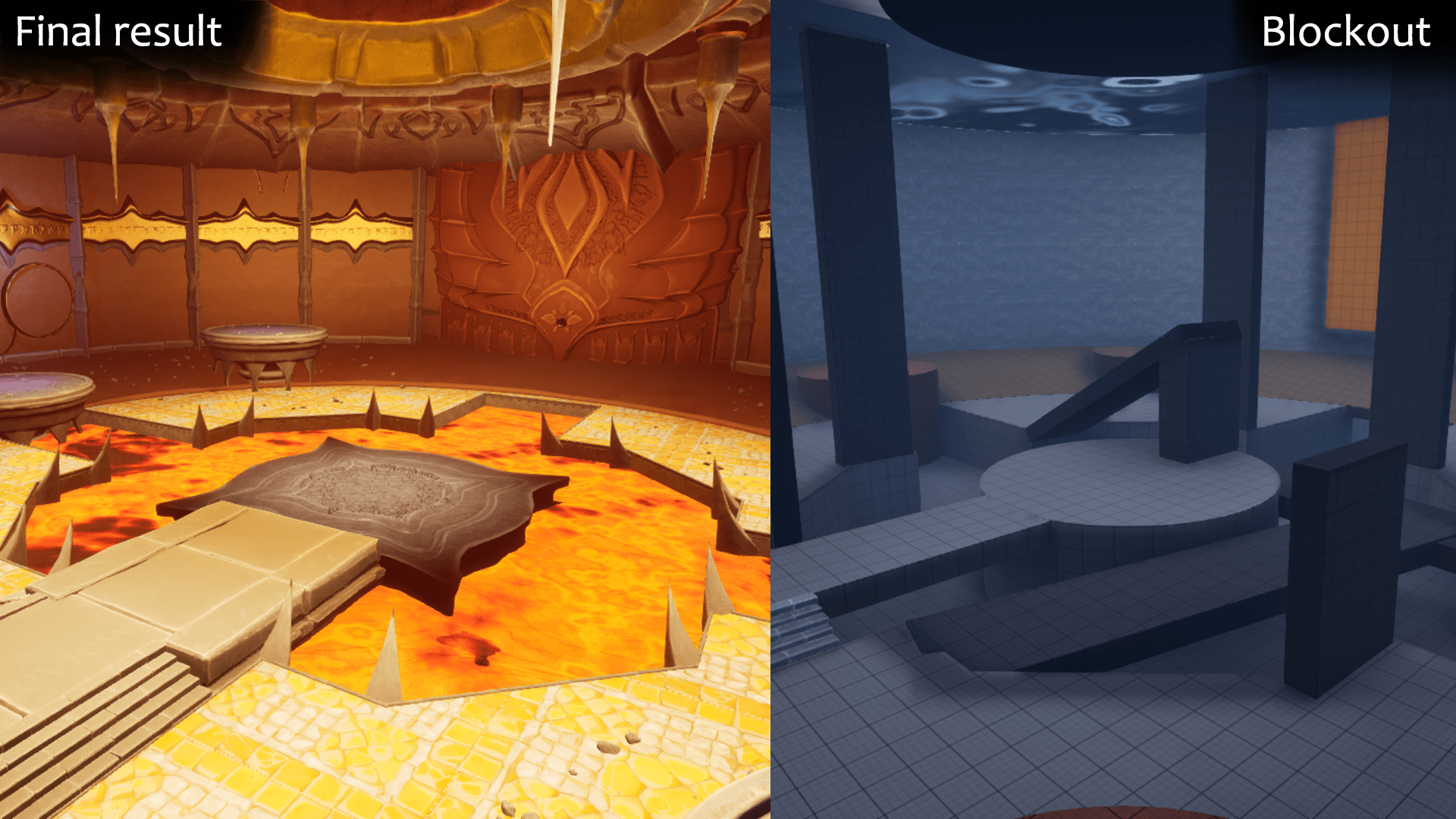
Early versions of the arena included central pillars, but they blocked most projectiles and limited combat flow.
• Removing or moving these covers opened the space, allowing ranged attacks to spread and making the fight more dynamic.
Raj’s altar
This area was designed as a contemplative platforming section.
• Enemies are placed to subtly guide the player along the main path, creating a short moment of relief between intense encounters.


I used a stained glass window to highlight the exit at the top of the room and naturally draw the player’s attention.
• A pillar placed in front of the locked door leads to the upper floor, while individually placed enemies mark key points and keep the room engaging.
Raj’s Altar – Last Arena
Religious- Arena
- I designed this arena first, even though it’s the last one in the game.
- My goal was to create a fast and intense DOOM-like combat space.
- Set inside a church, it features a large statue that teases the boss and guides the player forward.
- The layout uses several choke points and few covers to keep the fight dynamic and strategic.


Pre production


Blocking test
- I designed this arena first, even though it’s the last one in the game.
- My goal was to create a fast and intense DOOM-like combat space.
- Set inside a church, it features a large statue that teases the boss and guides the player forward.
- The layout uses several choke points and few covers to keep the fight dynamic and strategic.